The reason these ancient empires disintegrated is often put down to 'climate change'. But I wonder if 'climate change' just came along by accident, or if it was the same affliction that is threatening us now: short-sighted greed leading to self-destruction.
These ancient cultures operated in much the same hierarchical way that we are familiar with today. A ruling class pranced about in palaces, bedecked with jewels, drinking from golden cups while the poor slaved away to keep them in the lap of luxury. Forests were razed, crops were irrigated, furnaces burned night and day, wars raged, merchants traded far and wide and populations boomed. A priestly caste taxed the people handsomely in order to support mighty temples with thousands of staff, stone masons, dancing girls, artisans, cooks and monks, the better to make elaborate ceremonies to keep the people awestruck and docile.
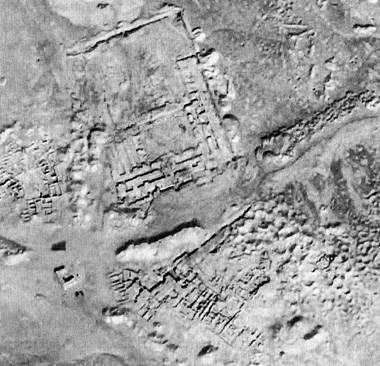
Now, the palaces are gone, their treasures swallowed up by the Earth once more. The temple stones gathered and assembled with such monumental effort, lie broken and scattered and barely recognisable. What was once rich and fertile land is now treeless desert. Will this be the fate of our 'civilization' too? Well, why not? To keep doing the same thing and expect a different outcome is madness, so they say.
It's tough to lay blame on the rulers of the ancient world, who (probably) didn't have access to the sort of information that we have now about how easy it is to mess everything up by chopping down too many trees, lighting too many fires and messing around with the natural water courses. Can we fault people for not controlling their population when they (probably) didn't realise it was going to be a problem? We can't really blame the priests for thinking that the gods stopped making it rain because they were angry with them for not sacrificing enough slaves (I suppose). But what's our excuse?
Unless we want some future archaeologists to be poring over whatever's left of us (if we're lucky) perhaps it's time to see what history has to teach us about living humbly alongside nature instead of trying to dominate it quite so grandly? Maybe we could start by listening to the people who are still here, and belong to the world's oldest continual civilization, about how they managed it? Just a thought.

No comments:
Post a Comment