Thursday, 23 October 2014

The awful truth

This week I've been wondering why some people behave so awfully. I got into a Facebook discussion during the week about the Koch Brothers and what on Earth makes them tick. If you haven't heard of these guys, they're enormously wealthy billionaires. They're heavily involved in fossil fuels, chemicals and all kinds of nasty stuff. They're massive bank rollers of climate change denial, campaigners against any kind of social safety net for anyone, and just generally, well, awful. So, what is it that drives them? Are they insane?

How do they justify the selfishness of their actions? How do they feel about the environmental destruction they cause, or the threat they pose to the health and welfare of the entire planet? Don't they care? Don't they think about it? What drives them? It seems 'nuts' to me, and to most people, I'm sure. But, I bet they consider themselves not only perfectly rational, but mightily superior to the likes of me.

Of course, one person's idea of 'awful' behaviour is not the same as another's. A lot of governments seem to think that citizens defending the environment from corporate greed is 'awful'. There have been recent laws passed specifically designed to make it illegal to get in the way of forest destroyers, frackers or miners. Clampdowns on all sorts of hard won democratic rights are in train all over the world, more than usual. Meanwhile there are certain 'rogue' corporations hell bent on selling things that kill people, wipe out bees, poison the waterways and do all kinds of other damage. They face no serious impediment or sanction of any kind, let alone jailing the members of their boards for manslaughter.

It seems backwards to me when democratically elected governments, paid for by the blood and sweat of the people, use the people's money and the people's police to punish people acting in their own self-defence. I'm sure the politicians involved don't see it this way. I wonder if they even think about it? If they do think about it, they probably think these 'trouble makers' deserve whatever they get.

I understand that the oligarchs don't like citizens getting between them and a pot of money, but how do they rationalize this to themselves? Do they see 'consumers' as somehow subhuman, their health and welfare of less importance than their own precious selves? Do they think that their money and power will protect them from climate change, lawsuits, or ravening hoards, so it's not their problem? I guess the aristos probably felt much the same before the French Revolution. They probably didn't waste a lot of time worrying about the plight of the poor, or the scandalous wastefulness of their own lifestyles, or the connection between these things.

But, when just about every religious tradition on the planet espouses the virtues of protecting the weak, giving to the poor, treating others with kindness and compassion, how is it that a smallish group of people just get off 'scott free' when they do the exact opposite? I don't know the answer to that, but I certainly hope that 'karma' will catch up with them in the end, perhaps aided by some new, socially responsible laws that will change the status quo, once we get a few more sane people into positions of power. I just hope it doesn't take too long.


Tuesday, 7 October 2014

Sands of time

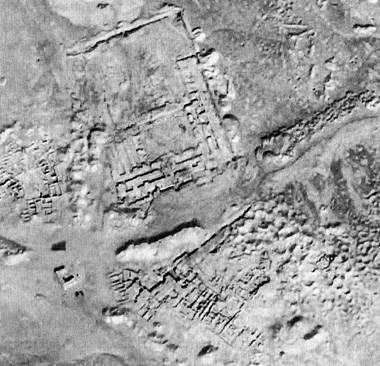
I saw a TV show about satellite archeology this week that got me thinking. By studying images taken from space, it's now possible to see the ruins of all kinds of things under the desert sands, jungles, farms or dried up river beds, that were invisible before. It's revolutionising our understanding of the ancient world. It turns out, there were way more people, way longer ago than previously thought, not just in Egypt but many other countries. It's possible they might even have found the fabled lost city of Atlantis.

The reason these ancient empires disintegrated is often put down to 'climate change'. But I wonder if 'climate change' just came along by accident, or if it was the same affliction that is threatening us now: short-sighted greed leading to self-destruction.

These ancient cultures operated in much the same hierarchical way that we are familiar with today. A ruling class pranced about in palaces, bedecked with jewels, drinking from golden cups while the poor slaved away to keep them in the lap of luxury. Forests were razed, crops were irrigated, furnaces burned night and day, wars raged, merchants traded far and wide and populations boomed. A priestly caste taxed the people handsomely in order to support mighty temples with thousands of staff, stone masons, dancing girls, artisans, cooks and monks, the better to make elaborate ceremonies to keep the people awestruck and docile.

Now, the palaces are gone, their treasures swallowed up by the Earth once more. The temple stones gathered and assembled with such monumental effort, lie broken and scattered and barely recognisable. What was once rich and fertile land is now treeless desert. Will this be the fate of our 'civilization' too? Well, why not? To keep doing the same thing and expect a different outcome is madness, so they say.

It's tough to lay blame on the rulers of the ancient world, who (probably) didn't have access to the sort of information that we have now about how easy it is to mess everything up by chopping down too many trees, lighting too many fires and messing around with the natural water courses. Can we fault people for not controlling their population when they (probably) didn't realise it was going to be a problem? We can't really blame the priests for thinking that the gods stopped making it rain because they were angry with them for not sacrificing enough slaves (I suppose). But what's our excuse? 

Unless we want some future archaeologists to be poring over whatever's left of us (if we're lucky) perhaps it's time to see what history has to teach us about living humbly alongside nature instead of trying to dominate it quite so grandly? Maybe we could start by listening to the people who are still here, and belong to the world's oldest continual civilization, about how they managed it? Just a thought.